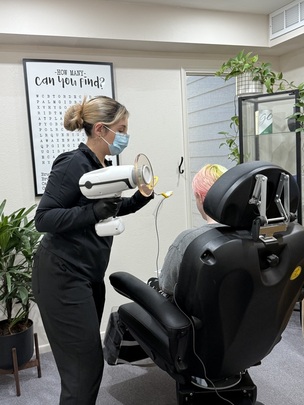
Digital X-Rays In Yuma, AZ

We Believe In Delivering The Safest Dentistry


Safer, faster, and more accurate than traditional film x-rays. Our digital x-ray technology provides instant, high-quality images with 90% less radiation exposure.

At Arizona Avenue Dentistry, we use state-of-the-art digital radiography to diagnose dental issues quickly and accurately while keeping your safety our top priority. Digital x-rays allow Dr. Grady to spot problems early, plan treatments with precision, and show you exactly what's happening with your teeth in real-time.

If you've been avoiding dental visits due to concerns about radiation or uncomfortable x-ray procedures, our modern digital system addresses both of those worries. You'll experience faster appointments, greater comfort, and peace of mind knowing you're receiving the safest imaging available.


What Are Digital X-Rays?

Digital x-rays use electronic sensors instead of traditional photographic film to capture images of your teeth, gums, and jawbone. These sensors instantly transmit images to a computer screen, where Dr. Grady can view, enhance, and analyze them immediately.

Unlike old-style film x-rays that required chemical processing and waiting time, digital radiography provides instant results. This means your appointment moves faster, and we can discuss findings with you right away rather than making you wait for films to develop.

The technology works by directing a very small amount of radiation through your teeth onto the digital sensor. The sensor converts this into a digital image that appears on our monitor within seconds. We can zoom in, adjust contrast, and even color-code areas of concern to help you understand your oral health better.


Benefits Of Digital X-Rays

Switching from traditional film to digital x-rays represents a major advancement in dental care. Here's how this technology benefits you:


90% Less Radiation Exposure

Digital x-rays emit significantly less radiation than traditional film x-rays. This makes them exceptionally safe for regular use, even for children and pregnant women (when necessary and with proper precautions). The reduced radiation exposure means we can take x-rays more frequently when needed without health concerns.

Instant Results

Digital images appear on our computer screen within seconds. No more waiting for film to be processed in a darkroom. This means we can review your x-rays with you during the same appointment, answer your questions immediately, and move forward with treatment planning without delay.


Superior Image Quality

Digital x-rays produce incredibly detailed, high-resolution images that can be enlarged, enhanced, and adjusted for better viewing. Dr. Grady can zoom in on specific teeth, adjust brightness and contrast, and even use color overlays to highlight areas of concern. This level of detail helps catch problems earlier.

Environmentally Friendly

Traditional x-rays require chemical processing and create hazardous waste. Digital x-rays eliminate the need for toxic chemicals, film, and photographic paper. This is better for the environment and safer for our team. Plus, digital images never fade or deteriorate like old film x-rays.


Easy Sharing And Storage

Digital images can be easily stored in your electronic dental record and shared with specialists or insurance companies instantly via secure email. If you need to see a specialist, we can send your x-rays ahead of time. No more waiting for copies or worrying about lost films.

Better Patient Education

Seeing is believing. When you can view your x-rays on a large monitor right in front of you, it's much easier to understand what Dr. Grady is explaining. We can compare before-and-after images side-by-side, show you exactly where cavities are forming, and help you visualize treatment outcomes.


What Can Digital X-Rays Detect?

Digital x-rays help Dr. Grady diagnose a wide range of dental conditions, many of which aren't visible during a regular visual examination:

  • Cavities between teeth or under existing fillings
  • Bone loss from gum disease (periodontitis)
  • Infections or abscesses at tooth roots
  • Cysts or tumors in the jawbone
  • Impacted wisdom teeth or other teeth that haven't erupted properly
  • Tooth decay beneath the gum line
  • Developmental abnormalities in children's teeth
  • Bone fractures or trauma to teeth and jaw
  • Proper positioning of dental implants or other restorations
  • Sinus problems that affect upper teeth

Regular x-rays allow us to catch these problems early when they're easier and less expensive to treat. Early detection can save you from more extensive procedures down the road.


Types Of Digital X-Rays We Use

Depending on your specific needs, Dr. Grady may recommend different types of digital x-rays:


Bitewing X-Rays

These show the upper and lower back teeth in a single view. They're excellent for detecting cavities between teeth and checking bone levels. Bitewings are typically taken once a year during routine checkups.

Periapical X-Rays

These capture the entire tooth from crown to root tip, including the surrounding bone. They help diagnose problems with tooth roots, bone infections, or abscesses. We use these when you have symptoms like pain or swelling in a specific area.

Panoramic X-Rays

A single image that shows all your teeth, both jaws, sinuses, and surrounding structures. This comprehensive view is valuable for treatment planning, checking wisdom teeth, evaluating jaw problems, and getting an overall picture of your oral health.


How Often Do You Need X-Rays?

The frequency of x-rays depends on your individual oral health needs. Dr. Grady follows the American Dental Association's guidelines and considers several factors when recommending x-rays:

  • New Patients: A complete set of x-rays provides a baseline of your current oral health and helps us plan your care.
  • Routine Checkups: Most patients benefit from bitewing x-rays once a year to check for cavities and bone levels.
  • High Cavity Risk: If you're prone to cavities, we may recommend x-rays every six months to catch problems early.
  • Gum Disease Monitoring: Patients with periodontal disease may need more frequent x-rays to track bone loss.
  • Children: Kids with developing teeth may need x-rays more often to monitor growth and development.
  • Specific Concerns: If you have pain, swelling, or trauma, diagnostic x-rays help identify the cause immediately.

Dr. Grady will never recommend x-rays unless they're necessary for your care. We take your safety seriously and only use radiation when the diagnostic benefits outweigh any minimal risk.


Are Digital X-Rays Safe?

Absolutely. Digital x-rays are one of the safest imaging technologies available in dentistry. The amount of radiation you receive from a full set of dental x-rays is extremely low—comparable to the radiation you're exposed to during a short airplane flight or a day in the sun.

Here's what makes them safe:

  • Minimal Radiation: Digital x-rays use 90% less radiation than traditional film. The exposure is measured in microsieverts—a dental x-ray exposes you to about 5 microsieverts, while a cross-country flight exposes you to about 40 microsieverts.
  • Targeted Imaging: We focus the x-ray beam precisely on the area being examined, limiting exposure to other parts of your body.
  • Protective Equipment: We provide a lead apron and thyroid collar to shield sensitive areas from any scatter radiation.
  • Modern Equipment: Our digital sensors are highly sensitive, requiring even less radiation to produce clear images.

The risk from dental x-rays is exceptionally small, especially when compared to the risk of missing a serious dental problem. Undetected cavities, infections, or bone loss can lead to pain, tooth loss, and more complex treatments if not caught early.


What To Expect During Your Digital X-Ray

Getting a digital x-ray is quick, painless, and much more comfortable than traditional x-rays:

  1. Preparation: Our dental assistant will place a protective lead apron over your chest and lap. For added safety, we also use a thyroid collar around your neck.
  2. Positioning: You'll sit comfortably in the dental chair. For bitewing x-rays, we'll place a small sensor (about the size of a large postage stamp) in your mouth and ask you to bite down gently to hold it in place.
  3. Image Capture: The x-ray machine will be positioned next to your cheek. You'll hear a brief beep, and the image is taken in less than a second. The sensor is much more comfortable than old-style film holders.
  4. Multiple Angles: Depending on what Dr. Grady needs to see, we may take several images from different angles. Each one takes just a few seconds.
  5. Instant Review: Within moments, the images appear on our computer screen. Dr. Grady can review them with you right away and answer any questions.

The entire process typically takes just 5-10 minutes. Many patients are surprised by how quick and comfortable it is compared to older x-ray methods.


Digital X-Rays For Children And Special Needs Patients

We understand that x-rays can be challenging for young children or patients with special needs. Our team has extensive experience adapting the process to accommodate every patient's unique needs:

  • Child-Friendly Approach: We explain the process in age-appropriate terms and work at your child's pace. Many kids find digital x-rays less intimidating than traditional film.
  • Smaller Sensors: We have child-sized sensors that fit comfortably in smaller mouths.
  • Quick Process: The speed of digital imaging means less time sitting still, which is easier for fidgety kids or patients with sensory sensitivities.
  • Gentle Techniques: Our team is trained in working with patients who have autism, Down syndrome, cerebral palsy, and other developmental or physical disabilities. We adapt our approach to each individual.
  • Parent Involvement: Parents are welcome to stay with children during x-rays to provide comfort and reassurance.

Dr. Grady's 18+ years of experience includes extensive work with patients who need extra patience and understanding. We'll never rush anyone or force a procedure. If your child or family member needs x-rays but you're concerned about the process, please discuss your worries with us. We're here to make the experience as positive as possible.


Frequently Asked Questions About Digital X-Rays

Success:

Error:

Please Wait:


Experience The Difference Of Modern Dental Technology

At Arizona Avenue Dentistry, we combine advanced technology with compassionate, judgment-free care. Whether you're due for a routine checkup or addressing a dental concern, our digital x-rays help us provide you with the most accurate diagnosis and effective treatment.

Call us today at (928) 782-3685 or request an appointment online. Our bilingual team is here to answer your questions and make your visit comfortable.

Request Appointment

Compassionate Care, Proven Results

We're proud of the care we give, but hearing from our patients means everything. Read the reviews that reflect our commitment to comfort, compassion and exceptional dentistry.